Skin Over 50: What Actually Helps, According to Dermatologists
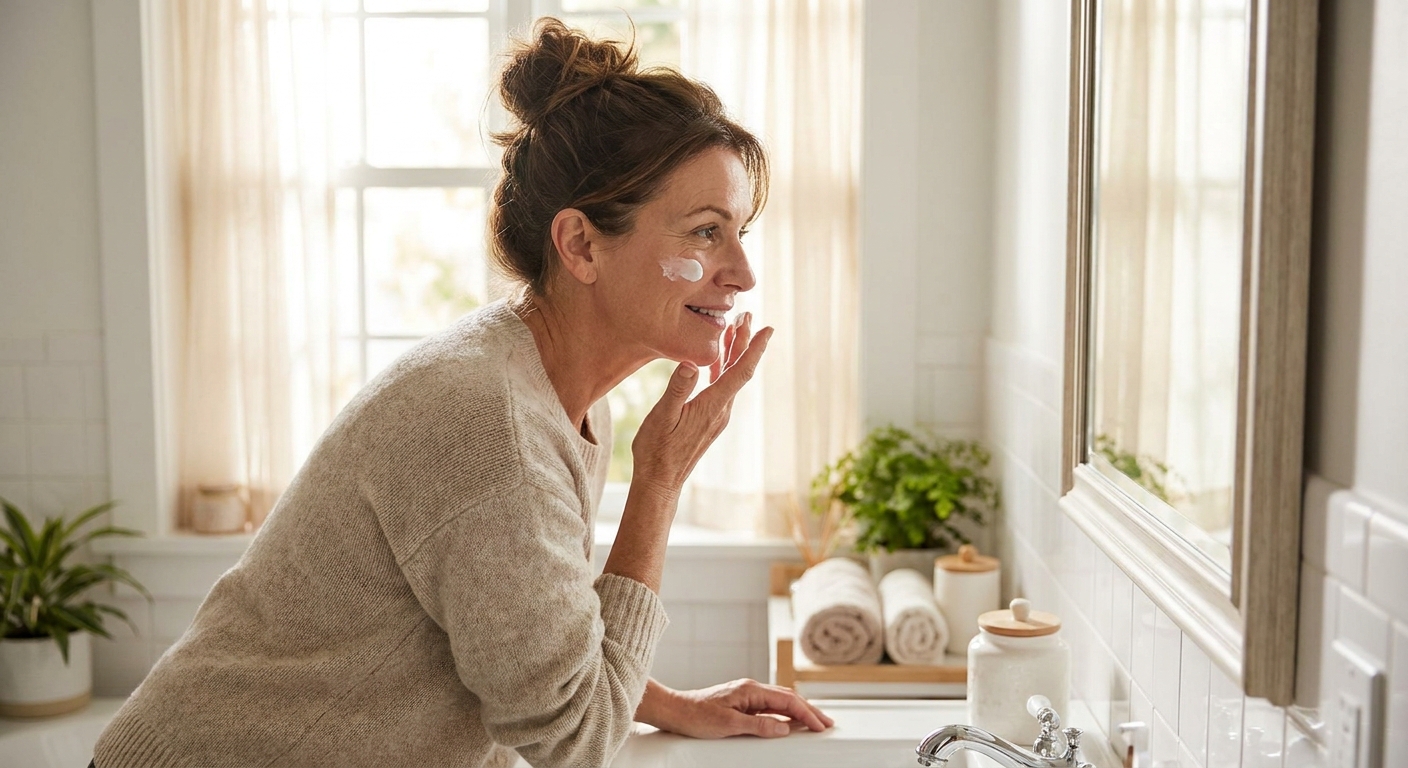
Paste the question "what actually helps aging skin?" into any search engine and you'll be handed serums, devices, and a dozen contradicting routines. Dermatologists, asked the same question, tend to give a much shorter answer — and almost none of it involves a $180 jar.
Here's the version of the conversation that keeps coming back, minus the shopping list.
The intervention with the strongest evidence: daily sunscreen
Most of what we call "aging" on faces and hands is photoaging — damage from ultraviolet exposure, not the passage of time itself. The evidence here is unusually solid for a skincare claim: long-term trial data following adults for years found that regular sunscreen use was associated with visibly less skin aging over time.
The practical bar is lower than people fear:
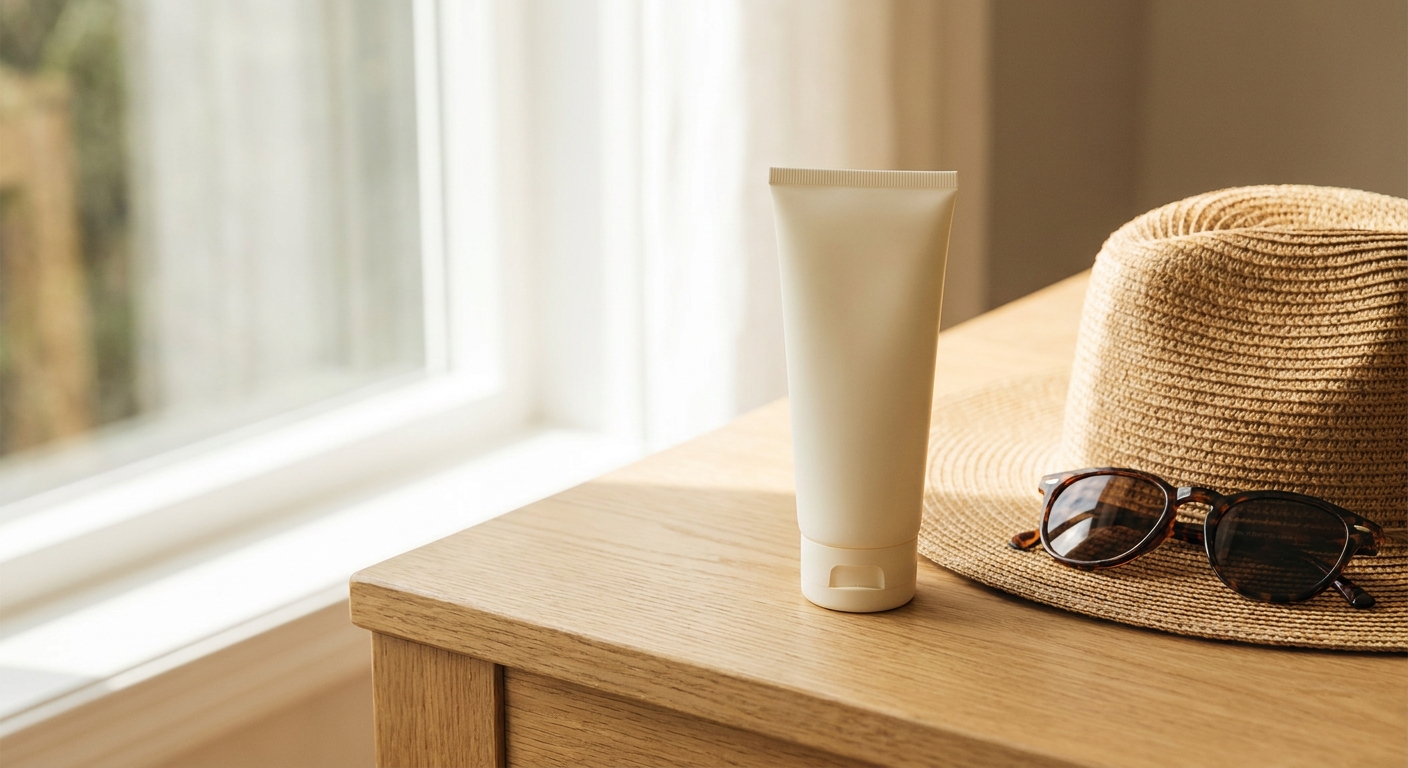
- Broad-spectrum SPF 30 or higher, applied every morning to face, ears, neck, and the backs of hands.
- Reapply only on high-exposure days — long walks, gardening, beach time. A normal office day doesn't demand it.
- The best sunscreen is the one you'll actually use daily. Texture beats brand loyalty.
A boring routine that works
Dermatologists' baseline routine for mature skin is almost embarrassingly simple:
- Morning: gentle cleanser (or just water), moisturizer, sunscreen.
- Evening: gentle cleanser, moisturizer.
- Optional, evidence-backed extra: an over-the-counter retinoid at night, started slowly — a pea-sized amount, two nights a week at first, building up as skin tolerates. Decades of research support retinoids for fine lines and texture; they're the one "active" with a real track record.
Retinoids come with real caveats: irritation is common early on, they're not for pregnancy, and anyone with sensitive skin or a skin condition should clear it with a dermatologist first. A patch test on the forearm for a few nights is cheap insurance.
Moisturizer, for the record, doesn't need to be exotic. Skin over 50 tends toward drier, so richer formulas generally feel better — but "rich" describes texture, not price.
What money can't buy
Three of the highest-impact factors for how skin ages cost nothing to improve: not smoking (smoking accelerates visible aging dramatically), sleep (the repair window is real), and patience — skin cell turnover slows with age, so any legitimate change takes three to six months to show, not three days.
That timeline is also your best lie detector. Anything promising overnight transformation is either makeup, a temporary plumping effect, or marketing.
Red flags worth walking past
- "Detox" claims for skin. Skin doesn't detox; that's what your liver is for.
- Proprietary miracle complexes with no published research behind them.
- Anything that insists you must buy the full seven-step system to see results.
- Before/after photos with different lighting, distance, or expressions.
The bottom line
For skin over 50, the evidence hierarchy is short: daily sunscreen, a gentle cleanser, a moisturizer you like, possibly a retinoid — then sleep, no smoking, and months of patience. Everything else is preference, and preference is allowed. It's just not medicine.