The 10-Minute Habit After Dinner: Why Post-Meal Walks Got So Much Attention
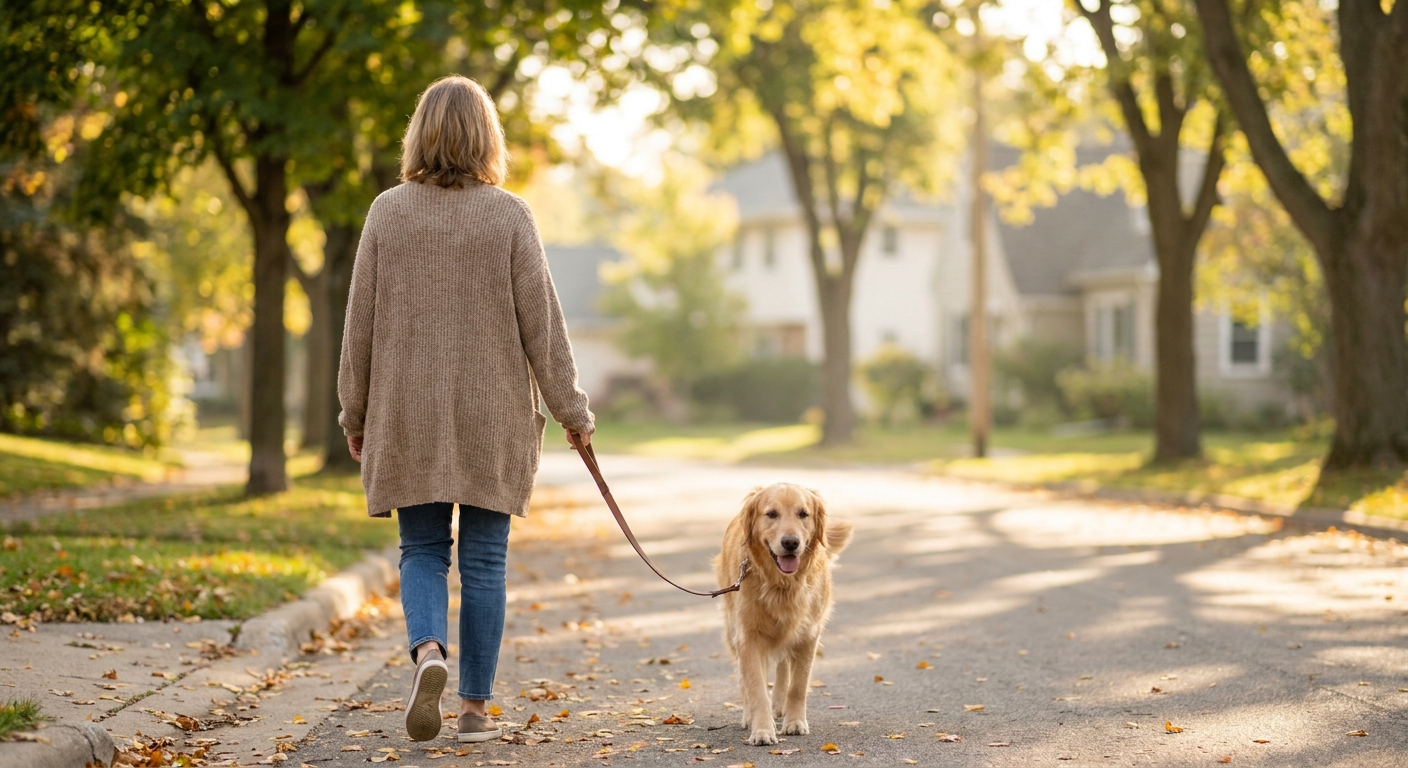
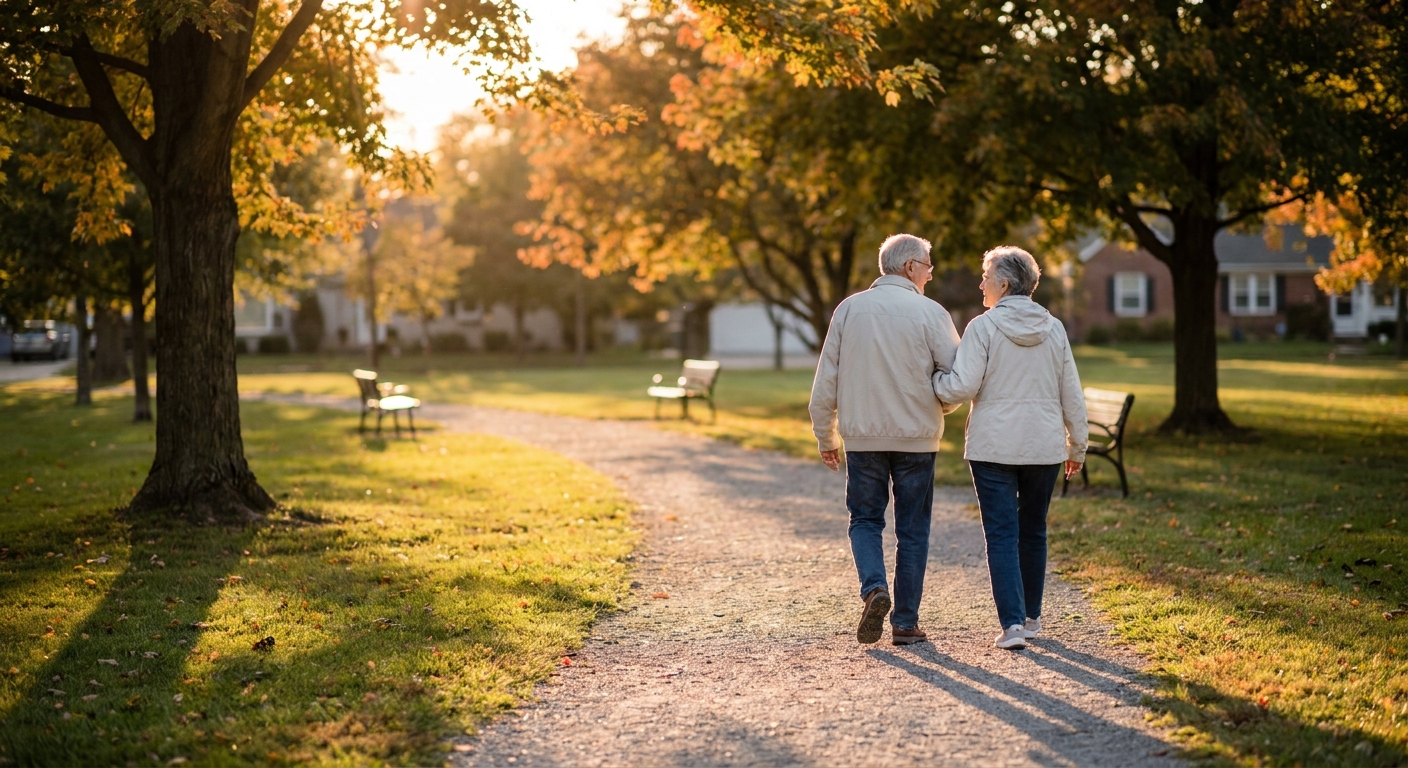
Of all the wellness advice we cover, few habits keep coming up in research as consistently as a short walk after eating. Not a hike. Not a gym class. Just ten to fifteen minutes of easy movement, timed after a meal — the kind of thing your grandmother might have called "aiding digestion."
Here's what the science actually says about it, and why timing matters more than intensity.
What researchers kept noticing
When you eat, glucose from your food enters your bloodstream, typically peaking within the first hour or two. Your muscles are one of the main places that glucose goes — and here's the useful part: contracting muscles pull glucose out of the blood without needing much extra insulin to do it.
That's why exercise scientists became interested in the timing question. If muscles are most useful as a glucose "sink" while glucose is actually elevated, then moving during or right after a meal might matter more than moving the same amount at a random hour of the day.
Reviews of the existing research — mostly small studies in generally healthy adults and people with type 2 diabetes — have repeatedly found that a brief walk after meals blunts the post-meal glucose rise compared with sitting, and that it tends to outperform the same walking done before eating or much later.
The effect sizes are modest, not miraculous. But the price is low enough that the habit earns its reputation.
Why after meals specifically
The glucose curve from a typical meal rises steeply in the first 30–60 minutes. A walk that starts within that window — or shortly after you finish eating — overlaps with the steepest part of the curve, which is exactly where gentle muscle activity does the most good.
Intensity barely matters at these doses. A comfortable, conversational pace is enough; walking faster mainly adds sweat, not benefit. Ten to fifteen minutes appears to capture most of the effect.
How to make it actually stick
- Anchor it to the meal, not the clock. "When I push my plate away, I put my shoes on" survives vacations and time-zone changes better than "at 7 p.m."
- Borrow a reason. A dog who expects a walk is the most reliable habit technology ever invented. A podcast you only allow yourself on these walks is a close second.
- Shrink the unit. If ten minutes feels heavy on a given night, walk to the end of the block. The streak matters more than the distance.
- Count the mundane ones. Walking meetings after lunch, parking one loop farther at the grocery store, taking the long way back to the car — it all lands in the same window.
A few honest caveats
Most of this research comes from small, short-term studies, often in specific groups (healthy adults, or people with type 2 diabetes). The direction of the evidence is consistent, but nobody should expect a post-dinner stroll to substitute for medical care.
If you take glucose-lowering medication, talk to your doctor before stacking new post-meal activity on top of it — timing changes can matter, and that's a conversation worth having with someone who knows your numbers.
The bottom line
A short, easy walk after meals is one of the rare habits where the research is friendly, the cost is minutes, and the failure mode is basically "you got a walk in anyway." If you add one small thing to your evenings this month, this is a defensible pick.